

 Condenser Fan Motors
 Blower Motor Wheels
 Dryer Filters and Stainer Filters
 Copper Coils
 Contactor
 Compressor Oil

 Indoor/Outdoor Motors
 Out Door Fan Blades
 Heating Elements


 Vacuum Machine Parts
 Vacuum Pumps
 Thermostat
 Refrigerator Compressor
 Split AC

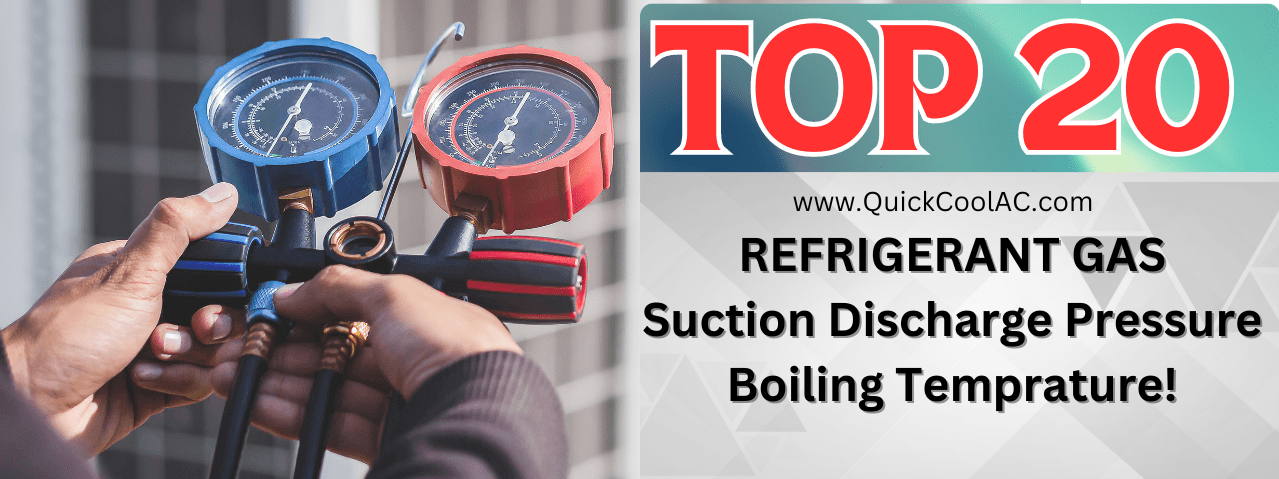
Explore the top 20 Refrigerant Gas Pressure Chart
Top 20 Refrigerant Gases Pressure used in HVAC systems, including R22, R410A, R134a, and more. Discover detailed information about 20 refrigerant gases including R22, R410A, R134a, R32, and more. Find pressures, temperatures, and applications for efficient HVAC and refrigeration systems. Learn the differences in standing pressure, suction pressure, and boiling temperatures.

| S/N | Refrigerant Gas | Standing Pressure (PSIG) | Suction Pressure (PSIG) | Discharge Pressure (PSIG) | Boiling Temperature (°C) |
|---|---|---|---|---|---|
| 1 | R22 | 65-70 | 58-78 | 230-250 | -40.8 |
| 2 | R410A | 118-120 | 118-132 | 350-380 | -48.5 |
| 3 | R134a | 57-62 | 22-32 | 120-140 | -26.3 |
| 4 | R407C | 60-65 | 60-70 | 250-275 | -43.6 |
| 5 | R404A | 68-70 | 45-55 | 250-275 | -46.2 |
| 6 | R32 | 113-115 | 90-120 | 360-400 | -51.7 |
| 7 | R1234yf | 54-58 | 20-35 | 120-140 | -29.5 |
| 8 | R717 (Ammonia) | 90-100 | 25-35 | 160-200 | -33.3 |
| 9 | R744 (CO₂) | 300-400 | 200-400 | 800-1200 | -78.4 |
| 10 | R290 (Propane) | 75-80 | 45-60 | 150-200 | -42.1 |
| 11 | R600a (Isobutane) | 30-35 | 15-25 | 80-110 | -11.7 |
| 12 | R123 | 5-8 | 10-20 | 70-85 | 27.8 |
| 13 | R502 | 55-60 | 35-45 | 200-250 | -45.4 |
| 14 | R1270 (Propylene) | 100-110 | 60-75 | 200-250 | -47.7 |
| 15 | R600 (Butane) | 10-15 | 5-10 | 55-65 | -0.5 |
| 16 | R1233zd(E) | 2-4 | 5-10 | 60-80 | 19.0 |
| 17 | R152a | 60-70 | 35-45 | 140-170 | -24.0 |
| 18 | R245fa | 10-12 | 5-10 | 50-70 | 15.1 |
| 19 | R401A | 55-65 | 40-50 | 160-200 | -37.7 |
| 20 | R508B | 90-95 | 25-30 | 340-380 | -87.0 |
Top 20 Refrigerant Gases Pressure Explained: R22 vs R410A vs R32 – Refrigerant Gas Pressure Chart
Published: September 7, 2025
Author: Mubashar Altaf
Explore the Top 20 Refrigerant Gas Pressure Chart
Top 20 Refrigerant Gases Pressure used in HVAC systems, including R22, R410A, R134a, and more. Discover detailed information about 20 refrigerant gases including R22, R410A, R134a, R32, and more. Find pressures, temperatures, and applications for efficient HVAC and refrigeration systems. Learn the differences in standing pressure, suction pressure, and boiling temperatures.
The Role of Ambient Temperature in A/C System Pressures
When it comes to accurately measuring or troubleshooting your A/C system, ambient temperature plays a crucial role. The pressures within your system—whether standing, suction, or discharge—naturally fluctuate based on the temperature of the surrounding air.
As the outdoor temperature rises or falls, the refrigerant’s behavior changes. For example, checking the pressures of R22 or R410A on a hot afternoon will yield different readings compared to a chilly morning. This is completely normal!
Decoding A/C System Pressure Readings
Both Gauges Show Normal Pressures
If both low and high-side pressures are within their expected ranges, your system is running as it should be. No need for further action—just keep up with regular maintenance.
Both Gauges Read Low
When both gauges display lower-than-normal pressures, the system is often undercharged. This usually means your A/C is low on refrigerant, typically due to a leak. Fix any leaks and recharge the system.
Low-Side Low, High-Side High
This indicates a restriction somewhere—most commonly a clogged expansion valve or orifice tube. Address the blockage to restore proper flow and pressure balance.
Low-Side High, High-Side Low
This points toward compressor problems. The compressor may be failing to generate enough pressure difference. Inspection or replacement might be required.
Both Gauges Read High
High pressure on both sides can signal an overcharged system. Too much refrigerant leads to excessive readings. Safely remove excess refrigerant using proper recovery equipment—never vent refrigerant directly into the atmosphere.
Refrigerant Gas Pressure Chart
| S/N | Refrigerant Gas | Standing Pressure (PSIG) | Suction Pressure (PSIG) | Discharge Pressure (PSIG) | Boiling Temperature (°C) |
|---|---|---|---|---|---|
| 1 | R22 | 65-70 | 58-78 | 230-250 | -40.8 |
| 2 | R410A | 118-120 | 118-132 | 350-380 | -48.5 |
| 3 | R134a | 57-62 | 22-32 | 120-140 | -26.3 |
R-134a Temperature-Pressure Reference
| Ambient Temp (°F / °C) | Low-Pressure Gauge (psi / kPa) | High-Pressure Gauge (psi / kPa) |
|---|---|---|
| 65°F (18°C) | 25–35 / 172–241 | 135–155 / 931–1069 |
| 70°F (21°C) | 35–40 / 241–276 | 145–160 / 1000–1103 |
| 75°F (24°C) | 35–40 / 241–310 | 150–170 / 1034–1172 |
| 80°F (27°C) | 40–50 / 276–345 | 175–210 / 1207–1448 |
| 85°F (29°C) | 45–55 / 310–379 | 225–250 / 1551–1724 |
| 90°F (32°C) | 45–55 / 310–379 | 250–270 / 1724–1862 |
| 95°F (35°C) | 50–55 / 345–379 | 275–300 / 1896–2068 |
| 100°F (38°C) | 50–55 / 345–379 | 315–325 / 2172–2241 |
| 105°F (41°C) | 50–55 / 345–379 | 330–335 / 2275–2310 |
| 110°F (43°C) | 50–55 / 345–379 | 340–345 / 2344–2379 |
What to Do if Your A/C System Is Overcharged
- Do not vent refrigerant — it’s illegal and environmentally harmful.
- Use proper recovery equipment to remove excess safely.
- Check manufacturer specifications before recharging.
- Contact a certified HVAC technician for professional service.
Why Venting R-134a Refrigerant Is Prohibited
Releasing R-134a refrigerant into the atmosphere is strictly prohibited due to its environmental impact. R-134a is a hydrofluorocarbon (HFC) contributing to global warming. Environmental agencies like the EPA require recovery and recycling during service or disposal. Proper refrigerant handling prevents greenhouse emissions and avoids heavy fines.
Older: How to Choose the Best Air Conditioner
Newer: Top 50 HVAC Questions Answered
This table provides a broader overview of different refrigerants used in various applications, ranging from common refrigerants like R22 to lesser-known ones such as R508B and R1233zd(E). refrigerant gases list, R22 vs R410A, best refrigerants for HVAC, refrigerant pressures chart, suction and discharge pressure of refrigerants, R134a refrigerant, R32 refrigerant advantages, R404A pressures, refrigerant gas types for air conditioning, boiling temperature of refrigerants, HVAC refrigerants explained, R1234yf vs R134a, high-efficiency refrigerants, R290 refrigerant pressure, R744 (CO₂) refrigerant properties, environmentally friendly refrigerants, ammonia refrigerant properties, low-GWP refrigerants, R123 refrigerant usage, R717 refrigerant system pressure.